Nomads & Homesteaders
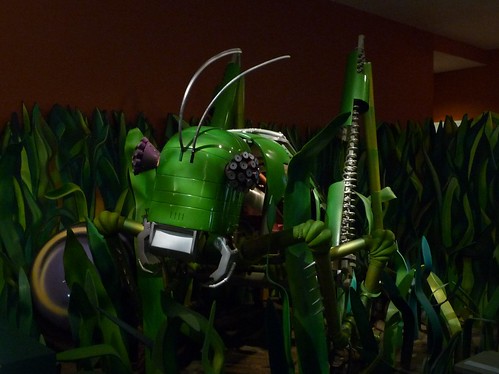
 photo credit: estheraseAs I conceive it, the conflict of cyborgs and architecture is the story of nomads and homesteaders, recast in very 21st century terms. Cyborgs are fundamentally mobile. They are individuals who can go anywhere and adapt easily. Architectural artifacts stay put. So to, the people who depend on and must maintain them.There has been a deep distrust between these groups for as long as there has been agriculture, I imagine.The morality story of the ants and the grasshopper is a lesson about the importance of an architectural kind of hard work. The ants, one of earth's other infrastructural species, are cast as the hard-working foresightful protagonists. The grasshopper, failing to anticipate the future, dies in the snow.Here are some alternate versions of the story: 1) When the winter comes, the grasshopper leaves for warmer climes, returning with the spring. 2) The grasshopper is actually a locust and a horde of them descends on the ant stores, stripping all the food before moving on to the next place. When winter comes, the ants starve in their empty corridors.It's Ranchers vs Indians, Romans vs Barbarians, Farmers vs Swarms, Europe vs Gypsies, Bees vs Bears, Ottomans vs Bedouins, Locals vs Tourists.To built a home, to run a farm, this is a capitally intensive project. You invest an enormous amount of effort into moulding a stretch of territory to your particular plans. You have to wait quite some time between the sowing and the reaping. Ant-like patience and foresight are your watchwords.To be a nomad requires a a different kind of watchword. You arrive at a patch of land, use it, and then leave it to regenerate. Foresight is the ability to know when to move, where to go, and when to come back.Small wonder that sparks fly when there is an encounter between these approaches. Homesteaders don't want the nomads exploiting all that investment in seeds, roads, sewers, policing. Nomads were planning to pass through and now there are fences, tunnels, and dudes with Tasers.